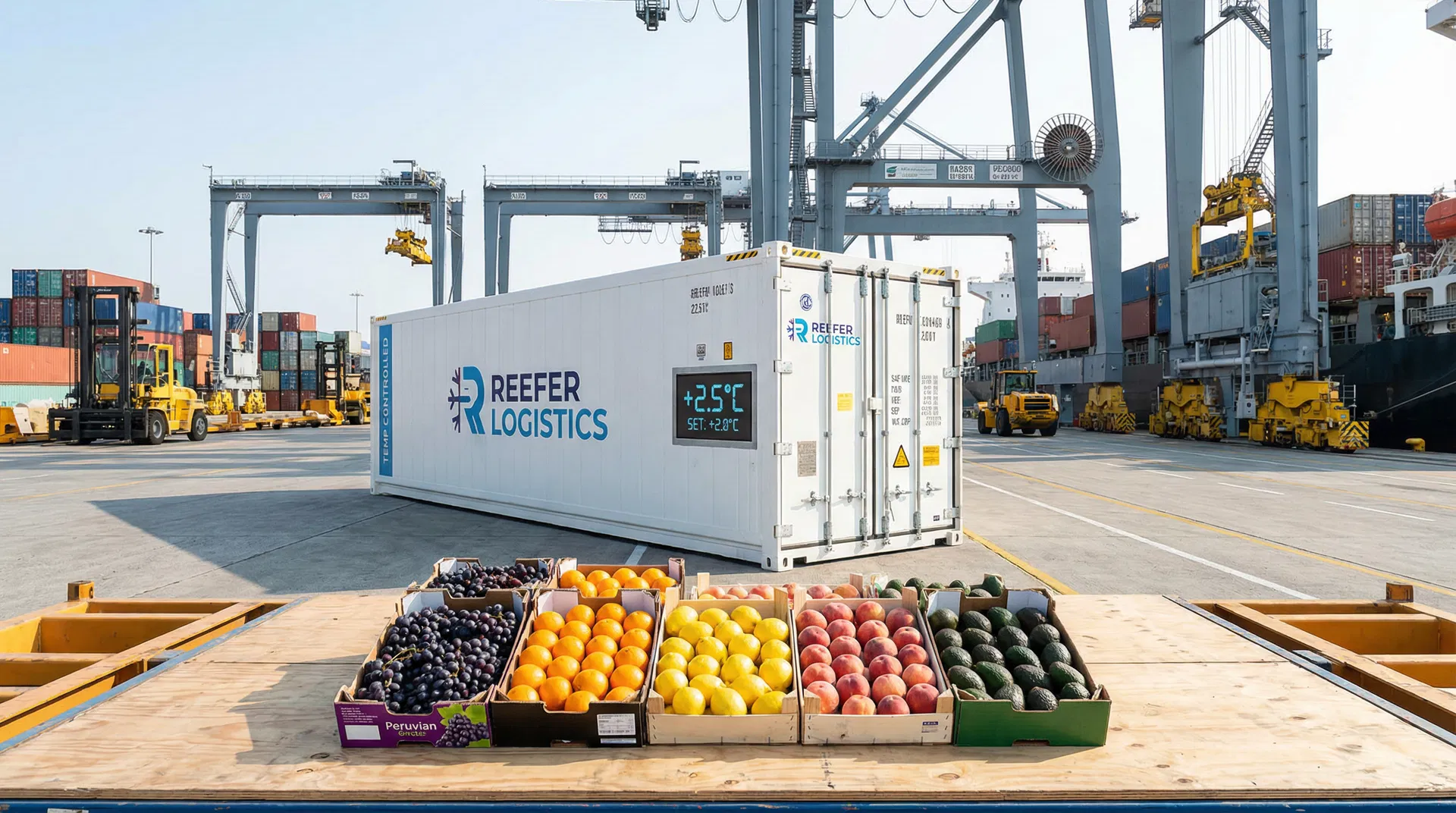
Cold Treatment Failure in Fruit Exports: Why One Temperature Deviation Can Destroy an Entire Shipment
In the global fruit trade, temperature is not just a quality parameter—it is a regulatory requirement. Many importing countries require certain fresh produce to undergo cold treatment sterilisation, a phytosanitary process designed to eliminate pests before the cargo enters the destination market. When this process fails, the consequences can be severe.
Shipments may be rejected, destroyed, or diverted to alternative markets at heavily discounted prices. For exporters, insurers, and logistics professionals, understanding this risk is essential to protecting revenue and market access.
What Cold Treatment Sterilisation Actually Means
Cold treatment sterilisation is a phytosanitary process used to eliminate pests in fresh produce. The method requires maintaining sub-zero temperatures for a specified period during transit to ensure pests cannot survive the journey. This procedure is mandatory for several fruit categories exported to major importing markets.
Common Fruits Requiring Cold Treatment
Citrus Fruits
- • Oranges
- • Grapefruits
- • Lemons
- • Mandarins
Other Produce
- • Apples & Pears
- • Peaches & Nectarines
- • Plums
- • Grapes & Avocados
Countries requiring strict cold treatment protocols include the United States, China, Japan, South Korea, India, Australia, New Zealand, Israel, and the European Union. For exporters shipping to these markets, strict temperature compliance is non-negotiable.
What Happens When Cold Treatment Fails: A Real Case
A recent case illustrates the commercial impact of sterilisation failure. The shipment involved 2,040 cartons of Peruvian Allison Seedless grapes transported in a reefer container. During the voyage, cold treatment requirements were not maintained. As a result:
- •The cargo was redirected to an alternative destination
- •The shipment value declined significantly
- •A claim of approximately $60,000 was filed
- •The case ultimately settled for $40,000 after six months of recovery efforts
This scenario is not unusual in the perishable trade. Even minor deviations in cold treatment protocols can trigger regulatory rejection, leading to substantial financial losses.
The Ten Most Common Causes of Cold Treatment Failure
Cold treatment failures rarely occur because of a single catastrophic event. More often they arise from operational weaknesses across the supply chain. Understanding these recurring causes is essential for prevention.
1. Improper Pre-Cooling
If fruit is not cooled to the required temperature before loading, the cold treatment process may never reach the necessary threshold.
2. Temperature Deviations During Transit
Small temperature fluctuations can invalidate the treatment protocol, even if the container arrives at the correct temperature.
3. Refrigeration Equipment Malfunctions
Faulty reefer machinery or outdated equipment can disrupt temperature control throughout the voyage.
4. Human Error
Incorrect probe placement or poor monitoring procedures can lead to inaccurate temperature readings and false compliance records.
5. Protocol Non-Compliance
Failure to follow updated cold treatment procedures can invalidate the entire treatment cycle.
6. Logistical Delays
Unexpected delays in the supply chain can interrupt the treatment process and extend transit times beyond acceptable limits.
7. Insufficient Training
Staff unfamiliar with cold treatment protocols often make critical operational errors that compromise the entire shipment.
8. Documentation Errors
Incomplete or inaccurate temperature records can undermine the entire compliance process and create liability disputes.
9. Power Failures
Power interruptions during transit can break the cold chain and invalidate the sterilisation process.
10. Inadequate Inspections
Weak regulatory oversight can allow deviations to go unnoticed until arrival at the destination port.
The Legal Framework Behind Cold Treatment Claims
When cold treatment failures lead to cargo damage or rejection, liability often depends on maritime law and carriage contracts. Relevant legal principles include:
- →Carrier's Seaworthiness Obligation: The carrier must exercise due diligence to provide a seaworthy vessel, including functioning refrigeration equipment.
- →Limitations on Exclusions: Carriers cannot rely on liability exclusions when due diligence is not fulfilled.
- →Hague-Visby Rules: Case law and maritime conventions often determine the final outcome of such claims.
- →Damage Assessment: Typically assessed using the Arrived Sound Market Value minus Arrived Damaged Market Value method.
The Evidence That Determines the Outcome of Cold Treatment Claims
Cold treatment claims are highly technical and depend heavily on documentation. Without proper evidence, recovery becomes extremely difficult. Critical documentation includes:
Bill of Lading confirming the contract of carriage
Commercial invoices proving cargo value
Sales receipts establishing market value
Booking notes showing instructions to the carrier
Phytosanitary instructions issued to the vessel master
Container tracking data confirming arrival timelines
Without this evidence, recovery becomes extremely difficult. Documentation must be complete, accurate, and contemporaneous to support a successful claim.
Lessons for Exporters and Insurers
Cold treatment failures are rarely caused by a single mistake. They are usually the result of small operational gaps across multiple stages of the cold chain. Several practical lessons can significantly reduce risk:
Maintain detailed temperature logs throughout the entire supply chain
Follow updated cold treatment protocols strictly without deviation
Communicate clearly with carriers and regulators about requirements
Respond immediately to any temperature deviations with corrective action
Ensure legal documentation is complete and contemporaneous
Conduct regular training for all staff involved in cold chain management
When these controls are in place, exporters significantly reduce the risk of regulatory rejection and financial loss.
Why Cold Treatment Failures Matter
In the fresh produce trade, compliance failures can destroy entire shipments. A container may arrive cold and intact. Yet if the cold treatment protocol was not executed correctly, the cargo may still be rejected at the destination.
Understanding this risk is essential for exporters, insurers, and logistics professionals working in the perishable supply chain. The difference between a successful shipment and a total loss often comes down to temperature monitoring, documentation, and operational discipline.
In perishable logistics, temperature control is not only about preserving quality. It is about preserving market access.
Download the Cold Treatment Failure Cheat Sheet
Get a comprehensive visual reference guide covering the cold treatment process, common failure causes, legal framework, and recovery strategies.
Download PDF GuideNeed Expert Guidance on Cold Treatment Claims?
Our team has recovered millions in perishable cargo claims. Let us help you understand your options and protect your shipments.
Book a Free Strategy Call